


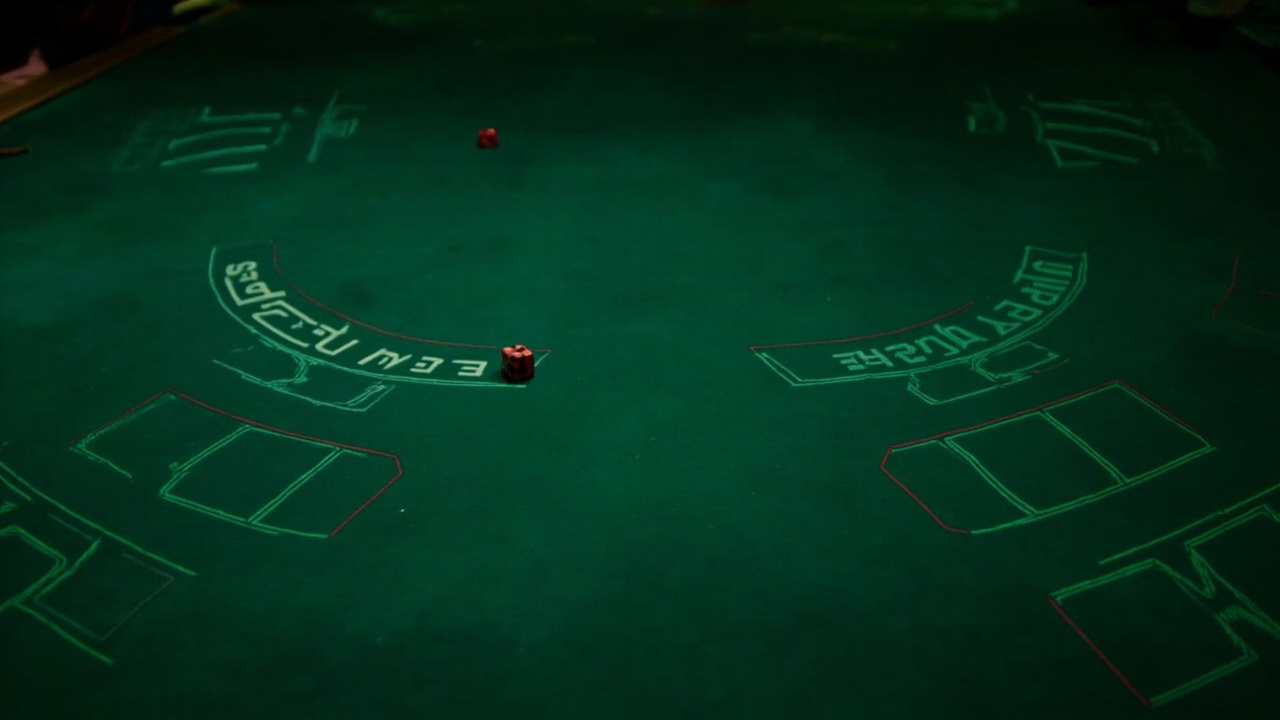
A craps table layout explained in plain terms starts with the layout itself, not the dice. For an Australian adult stepping up to a live table or logging into a vetted platform, the markings matter because they tell you what bets are actually available and where the house edge sits. We look at how the board is organised, which zones are worth your attention, and how a solid operator wraps that layout in proper licence checks, account controls, and responsible-play tools rather than leaving you to guess at the felt.
Reading the Board Without the Jargon
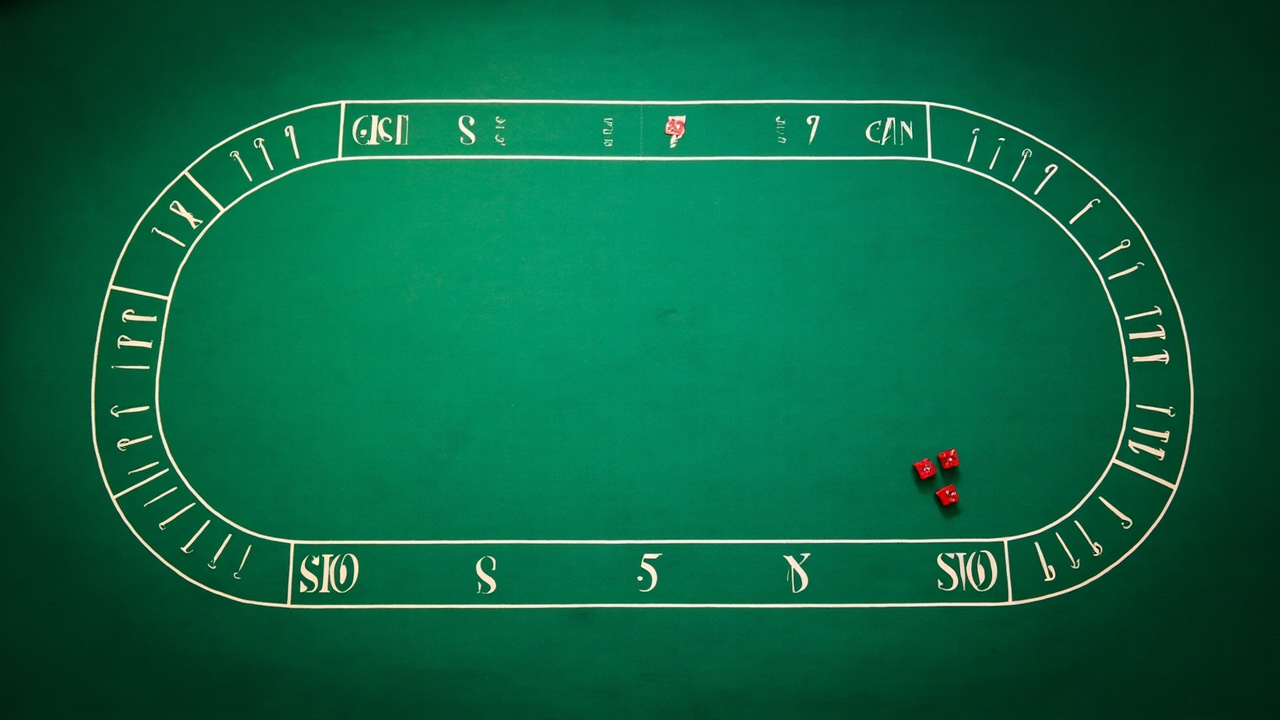
The first thing you notice on a craps table layout explained in a busy casino is that the surface is split into two distinct zones: the pass line end where most players cluster, and the side wall where the proposition and hardway bets live. The pass line and don’t pass bars run along the front edge, the come and don’t come areas sit just behind them, and the centre field is a grid of single-roll wagers with noticeably higher house edges. A well-built digital version keeps that same spatial logic so you can find your preferred spot without hunting through menus. JeetCity treats the board as the starting point for its table games, keeping the felt markings aligned with the underlying maths rather than hiding the edge behind glossy animation, which matters when you are weighing whether a platform’s licence, encryption, and account controls are actually doing their job. The layout should never distract from the fact that every marked box represents a fixed probability, and a responsible operator makes that clear before you put money down.
How the Zones Map to Real Play
Inside the Pass and Don’t Pass Areas
The pass line is the longest bar on the table, and it is where most sessions begin because the rules are straightforward: you win on a seven or eleven on the come-out, lose on two, three, or twelve, and otherwise the point is set. The don’t pass bar mirrors it on the opposite side, paying even money when the shooter rolls two or three and losing on seven or eleven, with a push on twelve depending on the house. Beside those bars you will usually find the come and don’t come areas, which behave like mini pass lines once a point is established, letting you place multiple active bets without crowding the main line. A practical walkthrough for a new player goes like this: you place your chip on the pass line during a come-out roll, the dealer confirms the bet, the dice are thrown, and if a point number appears the puck flips to “on” so you can see exactly what needs to hit before the round resolves. The layout keeps these zones separated so you can track which bets are working and which are still waiting, and a decent operator will show the same state clearly on screen with the puck indicator, the point number, and your active chips all visible at once. Австралийският craps и възможностите в StayCasino
Proposition and Hardway Grids
The centre of the table is a dense cluster of one-roll and hardway bets, and this is where the maths gets less friendly if you are chasing action for its own sake. Any seven, any craps, and the individual number boxes all pay at fixed odds but carry a steeper edge because they resolve on a single throw. Hardway bets sit along the top and bottom of that grid, paying when a specific number is rolled as a pair before a seven, and they stay active across multiple rolls until either the hard way hits or the easy way or a seven ends them. If you are working from a craps table layout explained in a regional New South Wales club or a properly licensed online room, you will notice these boxes are physically smaller and often crowded with chalk marks from previous players, which is a useful visual reminder that they are high-variance spots rather than the backbone of a session. A platform that respects the layout will let you click a proposition box directly, show the exact payout before you confirm, and keep the bet active only for the roll it actually covers, rather than burying the odds behind a generic “place your bet” button. jeetcity7
What the Layout Means for Your Session
The board is not just decoration; it is a map of where your money goes and how long it tends to stay there. Pass line and come bets give you a slower, more predictable rhythm because they stay active across several rolls and carry a lower edge than the centre field, while proposition boxes burn through chips quickly and suit players who want short bursts of action rather than a longer run. A sensible player uses the layout to decide where to put chips before the dice even leave the hand, then checks whether the operator behind that table is actually supporting the decision with real account controls. That means deposit limits you can set before you play, session timers that nudge you when you have been busy as a one-armed bandit for too long, and a clear privacy policy that explains what data is collected during registration and how it is stored. If you are comparing rooms, the layout only matters as much as the safeguards around it, so look for a licence number that is easy to find, support that answers within a reasonable window, and responsible-play tools that are visible inside the game rather than buried in a footer.
Flat White Chat at the Local Café
“So the pass line’s the long bar down the front, yeah?”
“That’s the one. You put a chip there on the come-out, and if it’s seven or eleven you’re up straight away.”
“And the middle bit with all the little boxes?”
“That’s the proposition grid. Pays big on a single roll, but the edge is steeper, so most regulars treat it as a sideshow.”
“Reckon I’d stick to the pass line and maybe a come bet while I’m learning.”
“Fair call. The layout makes that easy to see, and a decent room will show the point and the puck so you’re not guessing.”
Verdict
A craps table layout explained well leaves you knowing where each bet lives, what it pays, and how long it stays in play, which is exactly what a practical player needs before rolling. The pass and come zones suit a steadier session, the proposition grid is there for short action, and a properly licensed operator wraps all of that in visible account controls, support, and privacy protections so the board is a tool rather than a trap. If the layout is clear and the safeguards are real, you can read the table on your own terms instead of leaning on guesswork.